

News
News from MyGaz, its apps and the household gas industry.
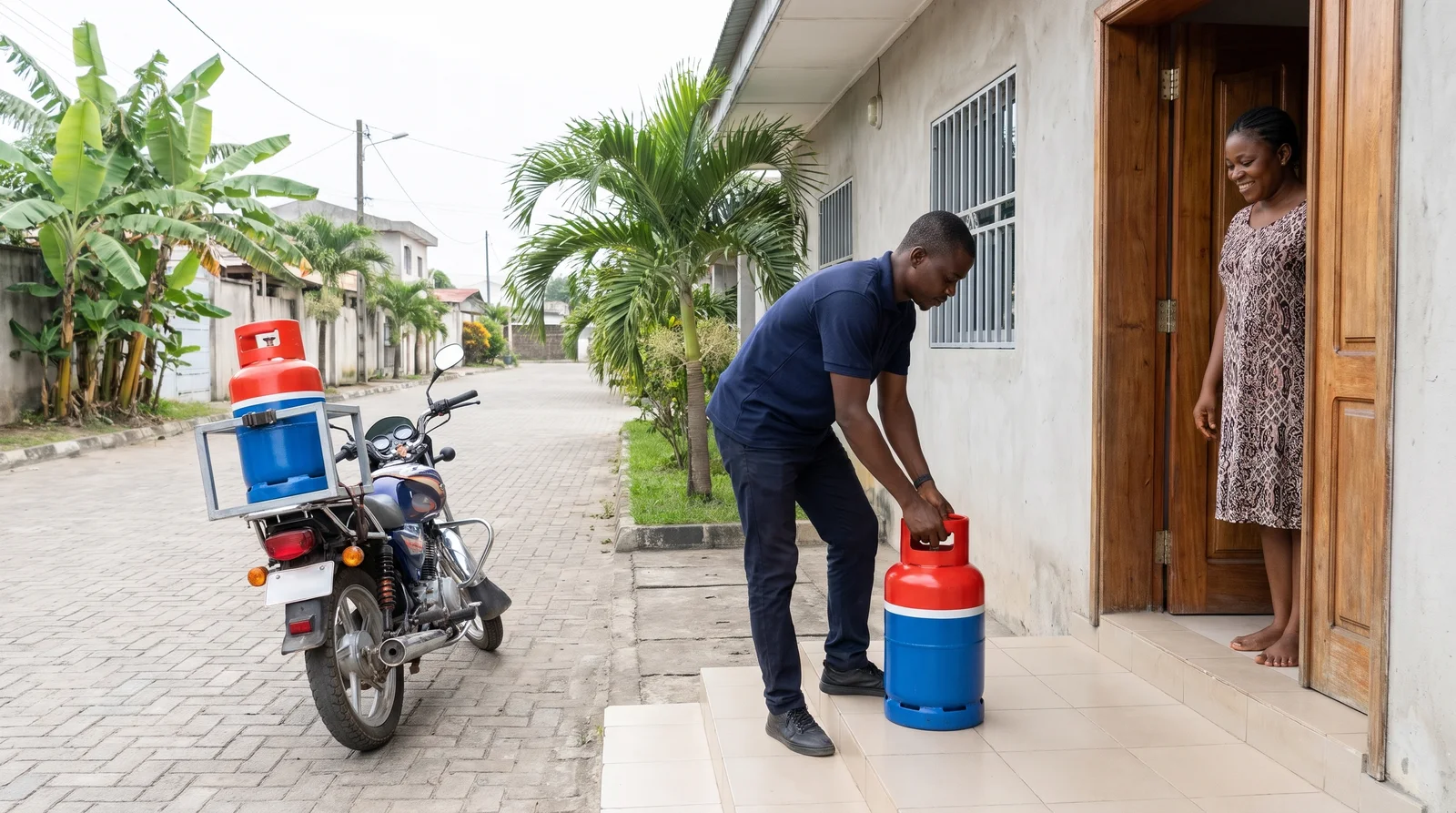 “Subsidise access, not consumption”: what Nigeria says about the refillAt the 16th NLCGA conference, in Abuja on 4 and 5 November 2026, Audrey Joe-Ezigbo (Falcon Corporation) proposed subsidising access to gas rather than its consumption, and judging every programme by one measure: does the household that was helped still refill its cylinder, on its own, 24 to 36 months after support ends. On 21 November, Anthony Agbo (Unigas) pointed out that 96% of Nigeria's LPG receipts in September came from domestic producers, with stock cover of 15.9 days against a 30-day minimum. In Cameroon, the press disagrees on the Bamenda gas filling centre, inaugurated on 9 May 2025. Everywhere, the missing figure is the refill at household level.Read
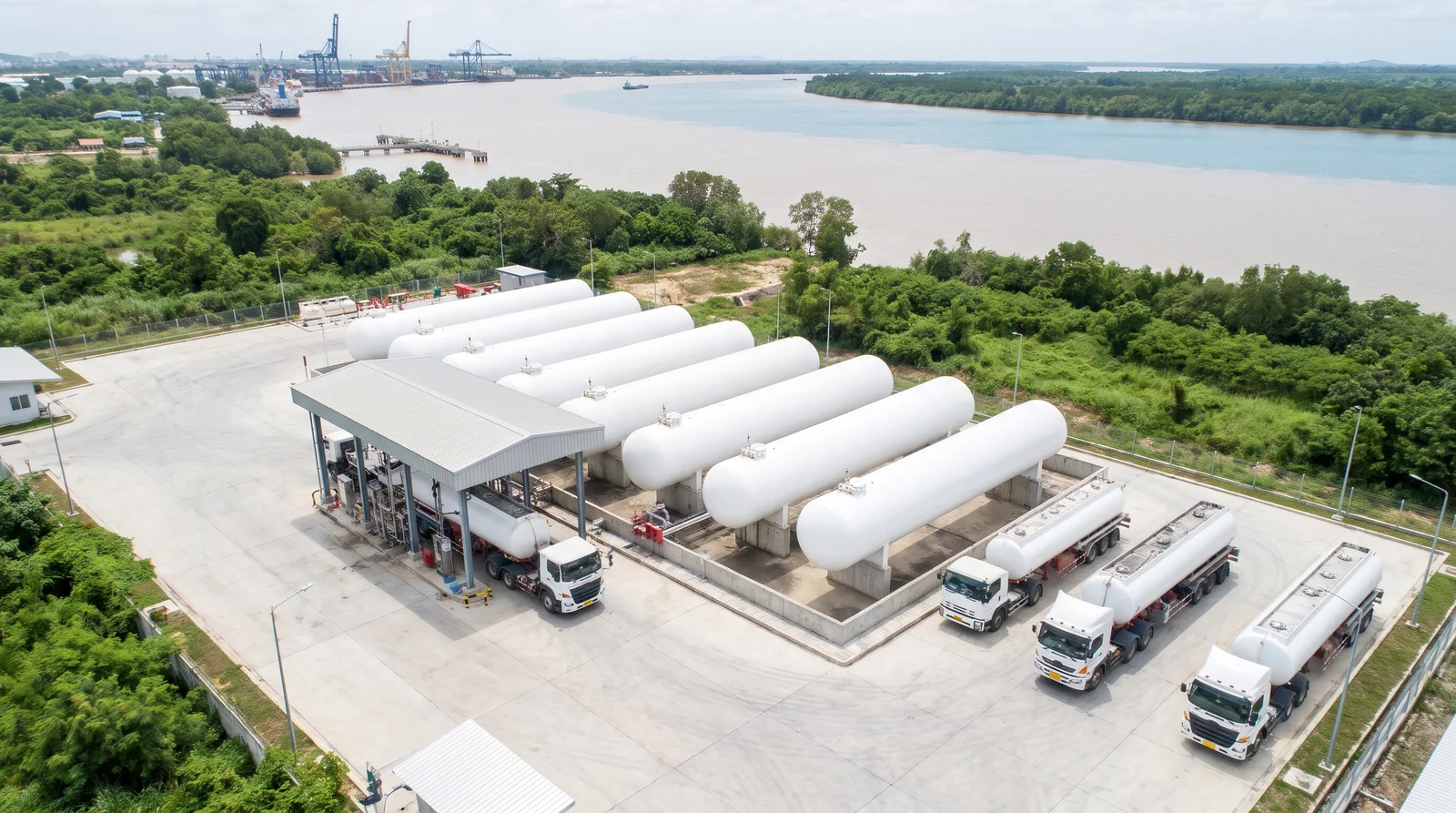 Bipaga at 200 tonnes, Bonabéri in thirty months: Cameroon's household gas between two supply chainsThe Bipaga plant, Cameroon's only local source of household gas, produced 200 tonnes of LPG in October 2026 according to data provided to Investir au Cameroun, against an average of 1,800 tonnes a month from May to September. On 11 November, SCDP held the kick-off meeting for the Bonabéri LPG hub, due to be operational in a little under thirty months, and on 12 November it called the foundation stone of the Kribi terminal imminent. Until then, the gas in Cameroon's kitchens arrives almost entirely by ship and goes through today's depots.
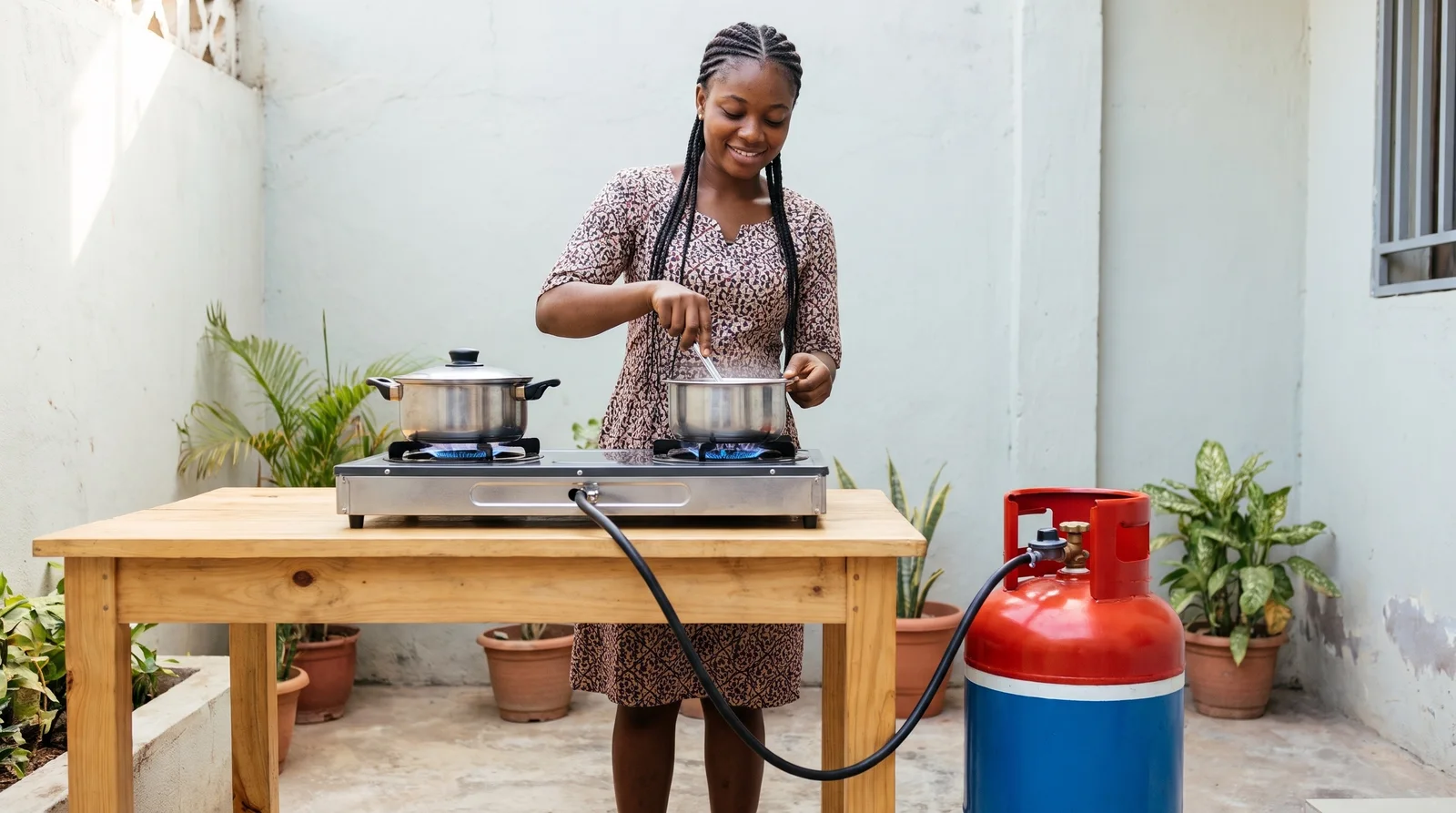 Clean cooking changes address: the Clean Cooking Alliance joins the IEA and LPG goes to COP31Since 2 November 2026, the Clean Cooking Alliance has been an initiative hosted by the International Energy Agency, with a secretariat in Paris. The same day, the global LPG association asked COP31 in Antalya to recognise cooking gas in climate policy, and Nigeria was due to present its national cylinder registry there on 12 November. The conference closed on 22 November without an overall agreement, and the clean cooking track continues at the Nairobi summit on 27 and 28 January 2027. Clean cooking is entering energy policy, and its new interlocutors ask for data.
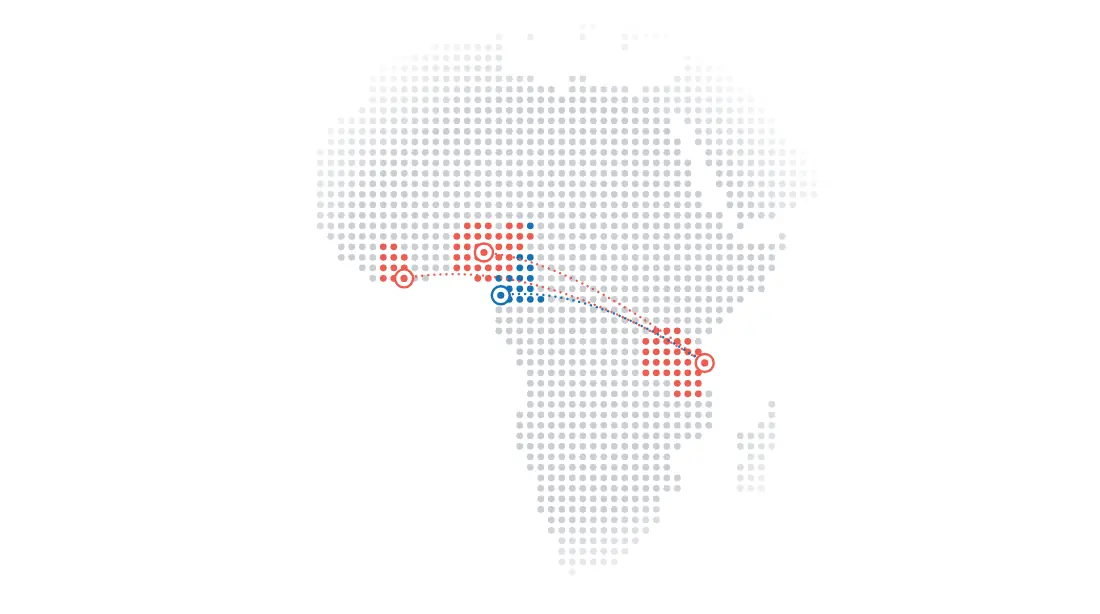 The last mile of household LPG: what Africa's industry now wants financedIn late October 2026, the African Refiners and Distributors Association (ARDA) and Nigeria's Clean Cooking Forum reached the same diagnosis: clean cooking moves at the speed of the gas supply chain, and that chain has mostly been financed upstream. The last mile, from the depot to the kitchen, is becoming the priority. In Cameroon, the same week saw a new player incorporated, with an operations centre in Kribi.
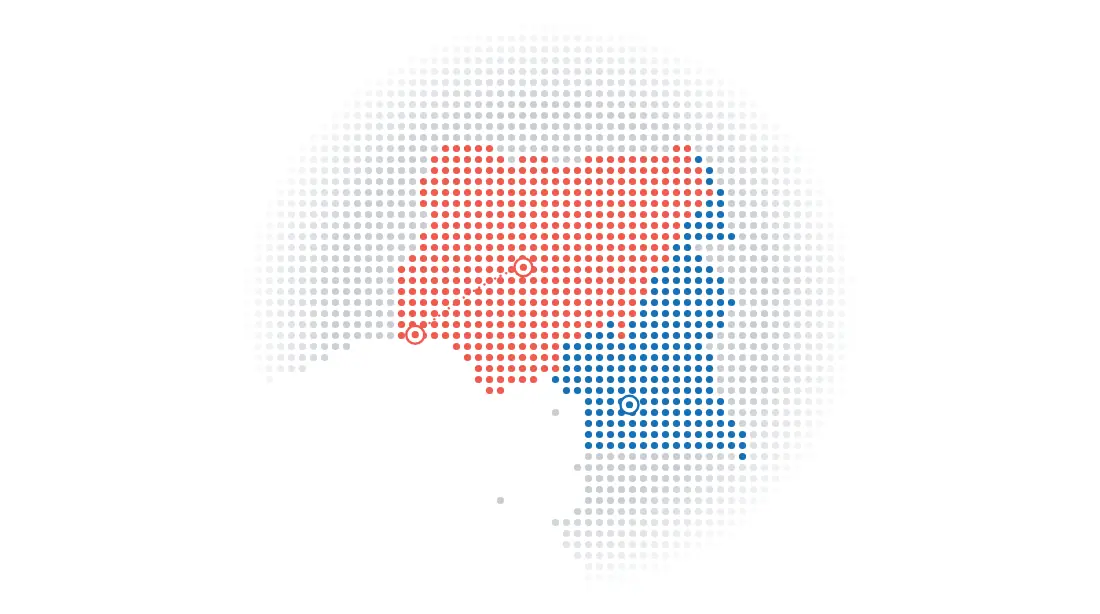 Nigeria: a registry for every LPG cylinder, and households going back to woodNigeria is launching a national LPG cylinder recirculation programme: each cylinder gets a digital identity, existing cylinders are checked at authorised facilities and exchange goes through approved retailers. At the same time, Nigeria's Clean Cooking Forum heard that families who moved to gas are going back to wood. Two complementary pieces of information for neighbouring Cameroon: where the cylinder is, and when it will be empty.
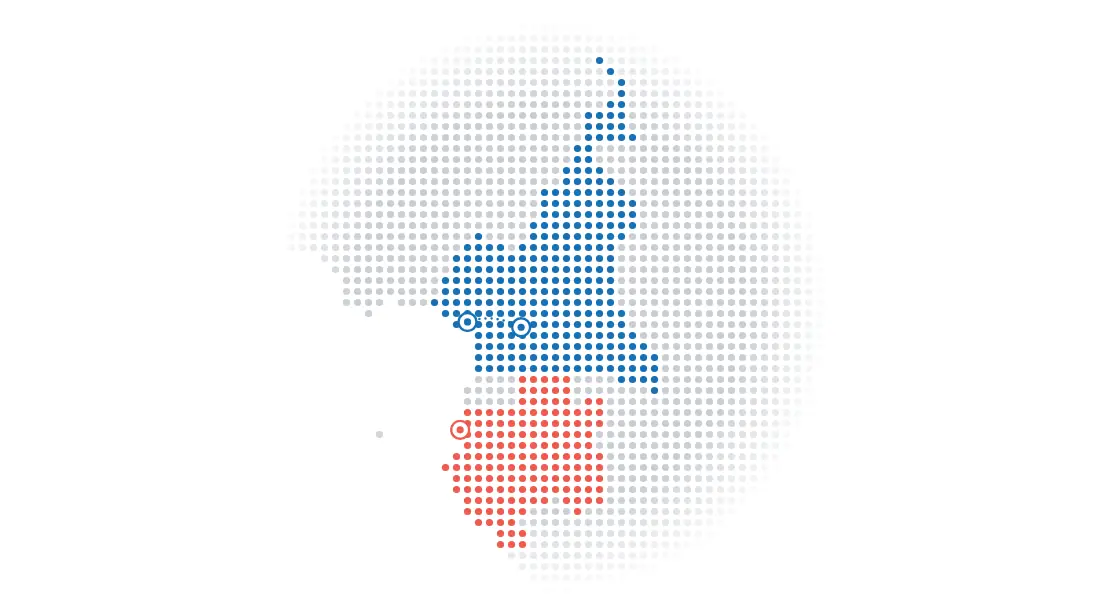 Gas shortage rumours: why precautionary buying creates the queueOn 29 October 2026, in Gabon, the petroleum storage company SGEPP denied a fuel and gas shortage and asked consumers to avoid precautionary buying, which creates queues by itself. Cameroon went through the same mechanism in September. In both cases, information on stocks was used to calm demand; the same information is still missing at the level of each kitchen.
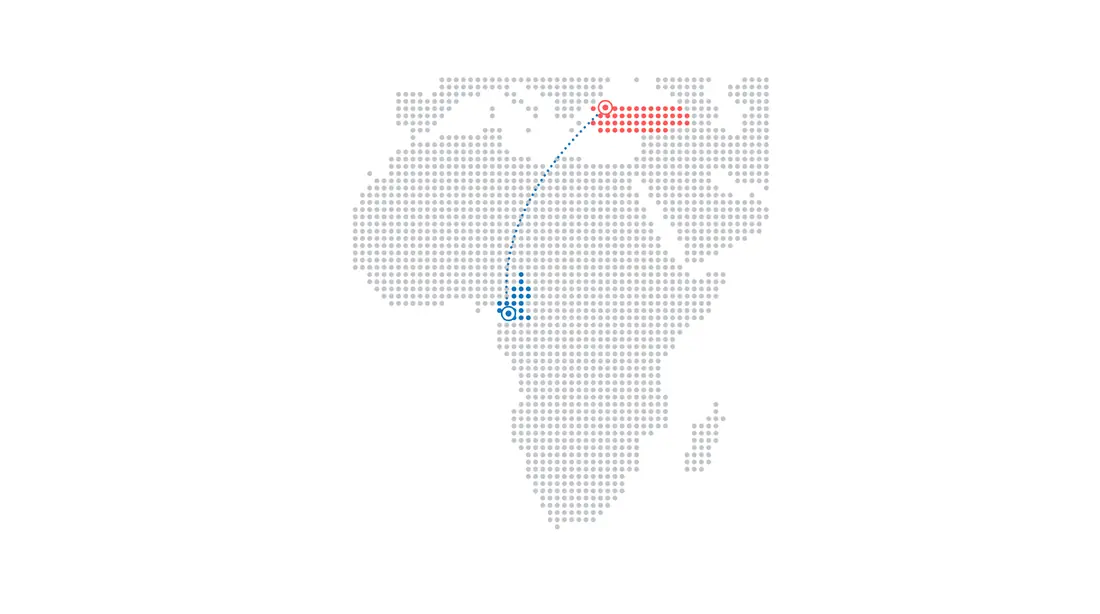 Liquid Gas Week 2026 in Istanbul: what the global LPG industry said about supply, Africa and dataFrom 12 to 16 October 2026, the World Liquid Gas Association brought more than 2,000 LPG industry representatives from over 110 countries to Istanbul. Three messages stand out: global supply is under strain and the International Energy Agency is studying a security mechanism for LPG, clean cooking in Africa remains the sector's main social priority, and data is moving into the distribution chain. For Cameroon, which imports most of its household gas, all three play out right down to the kitchen.
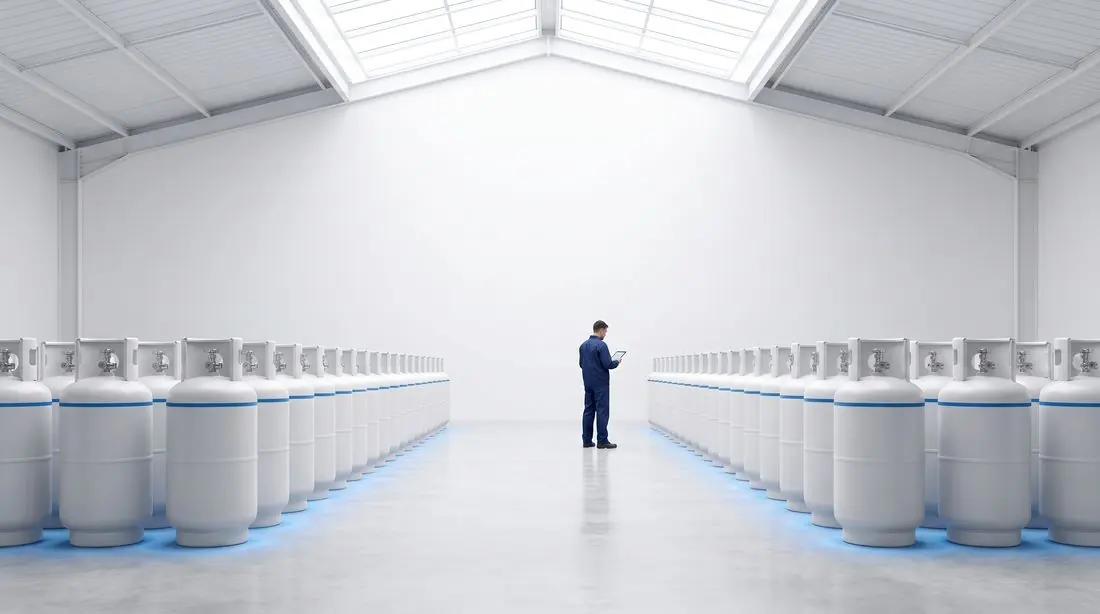 Household LPG: after the strain, Cameroon turns to storage and logisticsAfter the sharp strain on household gas in Yaoundé and Douala in September 2026, Cameroon's LPG industry announced measures in October focused on storage and transport: a coordination meeting in Douala on 8 October, then SCDP's depot managers' seminar in Kribi on 13 October, with a hydrocarbons terminal in Kribi and an energy hub in Bonabéri on the horizon. These projects strengthen the upstream part of the chain. The last link, the cylinder in the kitchen, still has to be made visible.
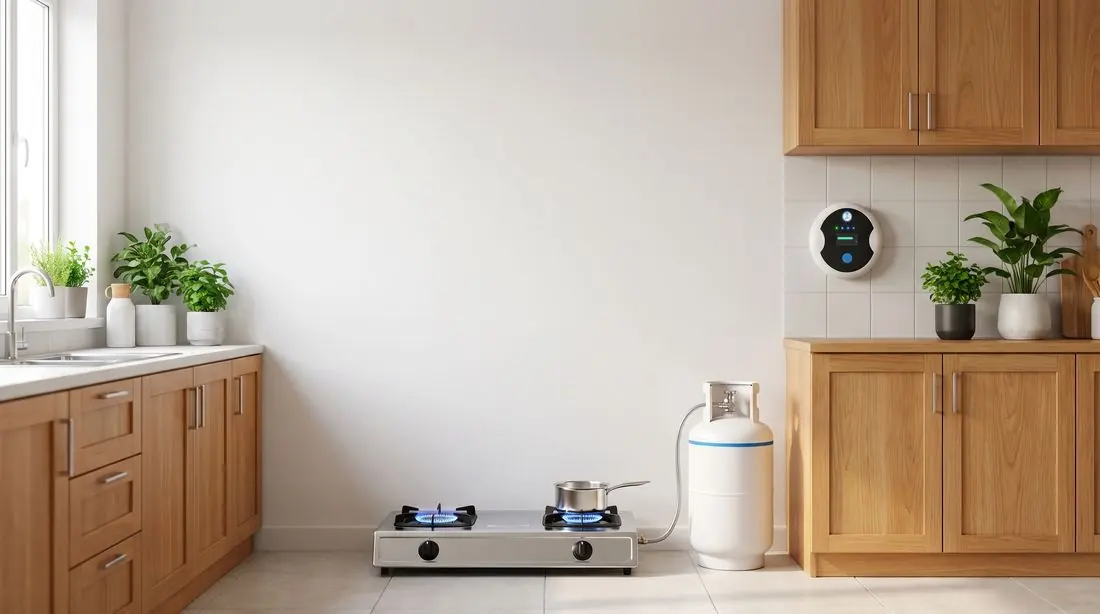 Household LPG in Cameroon: why connect the cylinderIn September 2026, households in Yaoundé and Douala went from one sales point to the next looking for cooking gas. Demand is rising, local output has dropped and Cameroon imports most of its LPG. A connected cylinder does not create gas, but it tells everyone how much is left: MyGaz, in Yaoundé, makes that level visible to the household, the delivery agency and the industry before the cylinder runs dry.
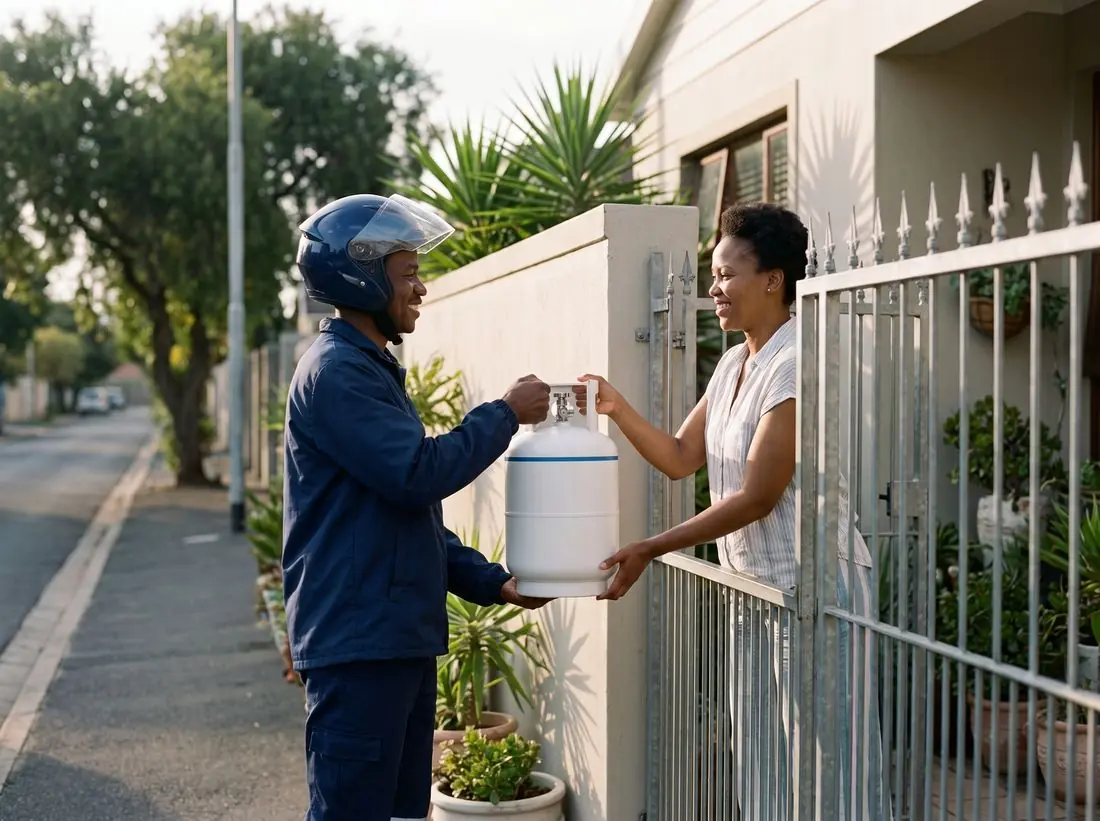 Delivery agencies, the first link of the MyGaz pilot networkIn Cameroon, the gas cylinder reaches the household through a last link that is often poorly equipped: neighbourhood depots, delivery agencies and riders. MyGaz is starting its Yaoundé pilot network with these agencies. With MyGaz Pro, the order arrives with the exact address, the trip is guided, the technician commissions the sensor step by step, and every delivery is recorded.
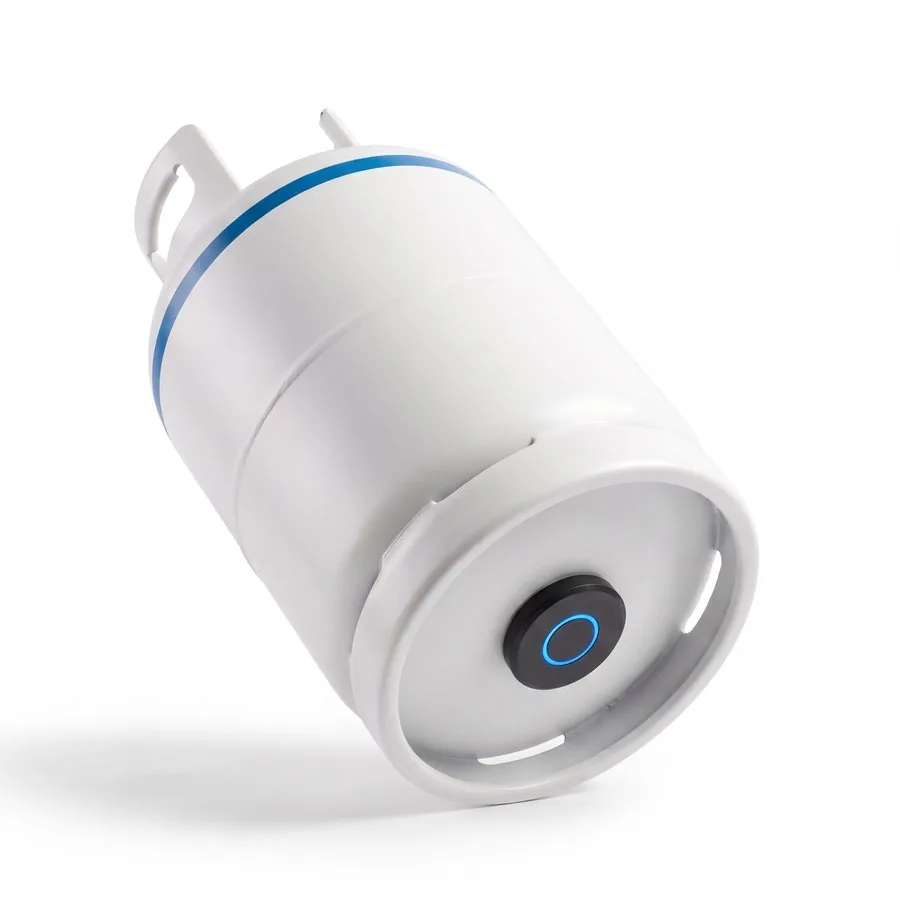 UltraSense and UConnect: how the gas reading reaches the appMyGaz measures the level of a household gas cylinder without touching the gas. The UltraSense sensor, placed under the cylinder, estimates the level by ultrasound. The UConnect box receives the reading and sends it over the mobile network to the MyGaz platform, which shows it to the household in the MyGaz app and to the delivery agency in MyGaz Pro. Here is each step, and what happens when the network drops.
Press
For the press.
Interviews, visuals and information about MYGAZ SAS: the team will answer.
Contact the teamLet's build the
connected gas chain.
Leave your number and we will call you back.